Metallic Bonding Explained Notes (O Level + IGCSE + AQA + Edexcel)
Define Metallic Bonding, Understand the 'Sea of Electrons' Model, and Master Metal Properties for A* Grades.
Quick Access A*-Grade Study Resources (Internal Links):
Metals: Marvel, Properties, Uses, Extraction (Pillars Chapter) | Definitive A* Lecture Notes (2026-2027 Syllabus) | Full IGCSE/O Level Chemistry Crash Course | O Level Chemistry Formulas PDF (Formula Chart for Chemistry) | Past Paper Analysis (Ultra Premium Notes) | A* Action Plan Tips (How to Study for Chemistry O Level)1. The Concise, Exam-Centred Definition of Metallic Bonding
To **define metallic bonding** for your exams, you must include the three core components: cations, delocalised electrons, and the attractive force.
Metallic Bonding Definition (Concise & Exam-Ready)
A **Metallic Bond** is the strong electrostatic force of attraction between a lattice of positive metal ions (cations) and the **sea of delocalized electrons** surrounding them.
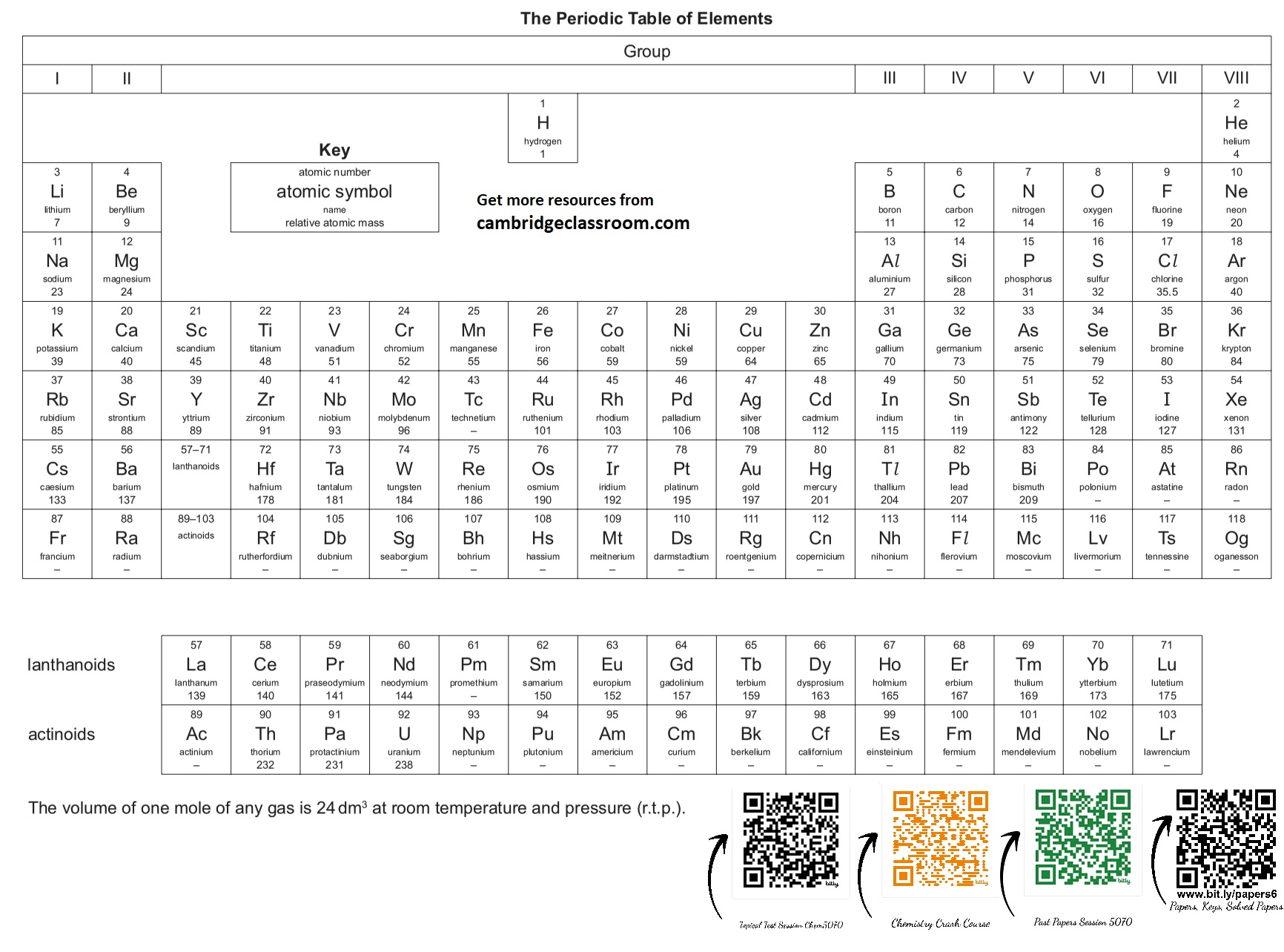
This bonding occurs between **atoms of metal elements** (e.g., Sodium, Copper, Aluminium). It forms the basis of the **giant metallic lattice structure**.
This is best described by the **electron sea model of metallic bonding**, where valence electrons are released from their parent atoms and are free to move throughout the structure, creating the "sea."
2. Explaining Properties of Metallic Bonding (The Examiner's Favorite)
The **describe metallic bonding** question in exams often asks you to link the structure to its properties. The 'sea of electrons' model explains everything.
High Melting and Boiling Points
Metallic bonds are **very strong** because of the powerful electrostatic attraction between the metal cations and the sea of delocalised electrons. A large amount of thermal energy is required to break these forces, resulting in **metallic bonding high melting point** and boiling point.
Electrical Conductivity
Metals are excellent conductors of electricity in both the solid and liquid (molten) states. This is because the **delocalized electrons in metallic bonding** are mobile and free to move throughout the lattice, carrying the electrical charge (current) when a voltage is applied.
Malleability and Ductility
The metal ions are arranged in **regular layer structure metallic bonding**. When a force is applied (e.g., hammering), the layers of cations can slide over one another without breaking the bond, because the sea of electrons acts as a 'glue' and holds the structure together. This explains **how metallic bonding makes copper to be malleable** and ductile.
3. The Metallic Bonding Study Timeline
- **Day 1 (Definition):** Learn the official **metallic bonding definition chemistry** and draw a simple diagram.
- **Day 2 (Conductivity):** Focus on the role of the **sea of electrons metallic bonding** in electrical and heat conductivity.
- **Day 3 (Deformation):** Understand the malleability/ductility explanation—sliding layers of ions—to answer **why are metallic bonding ductile**.
- **Day 4+ (Application):** Move onto the Metals: Extraction and Uses Chapter and practice past paper questions linking bonding strength to reactivity.
4. Past Paper Application and Expert Guidance
Metallic bonding is a common topic in Paper 2/4. Watching solved past paper videos is the most effective **how to study for chemistry o level** method. Prof. Faisal Janjowa breaks down the complex mark scheme requirements.
IGCSE 0620 Past Paper Solved (Structure and Properties)
O Level 5070 Past Paper Solved (Bonding Comparison)
🧑🏫 Teacher Profile: Prof. Faisal Janjowa (The Chemistry Guru)
Prof. Faisal Janjowa provides crystal-clear guidance, simplifying concepts like **ionic covalent and metallic bonding** for students across all major boards (IGCSE, O Level, AQA, Edexcel). His expertise is accessible through the Crash Course.
👉 **Live Class Details:** Our next **Live Class** focuses on **Alloys and Their Uses**—a direct application of metallic bonding strength. Enroll in the Crash Course for access!