Group 7 Halogens – Properties, Reactions, Colours
What are Group 7 Halogens?
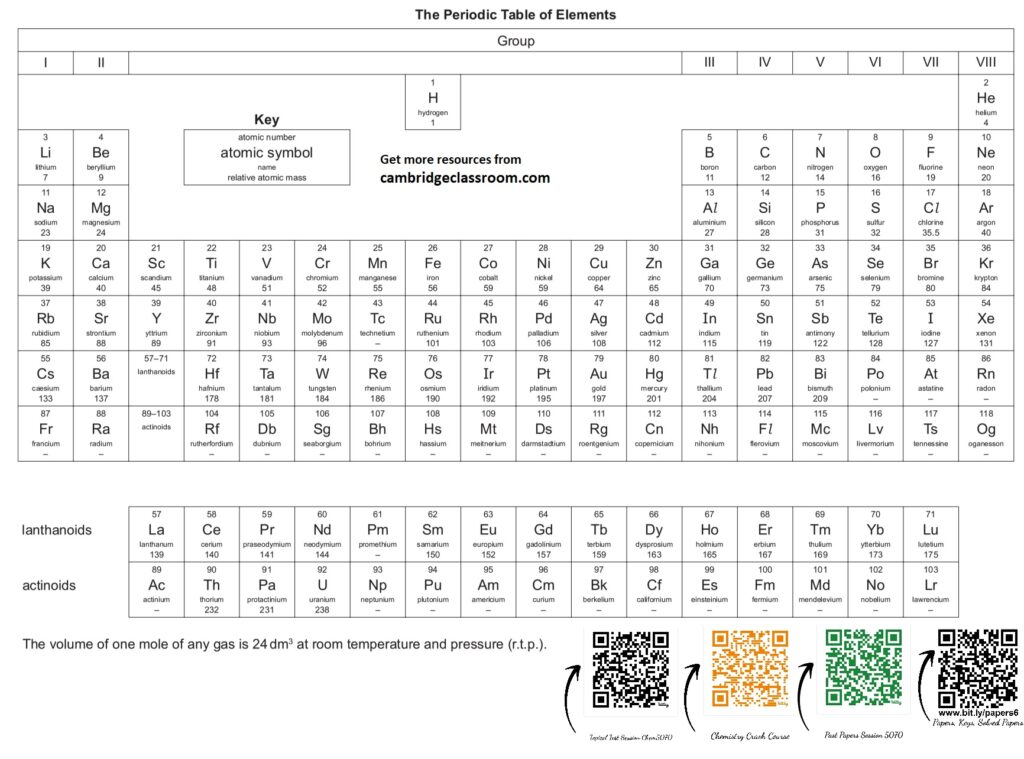
The Group 7 halogens are non-metals in the periodic table including: Fluorine (F), Chlorine (Cl), Bromine (Br), Iodine (I), and Astatine (At). They all have 7 electrons in their outer shell.
Physical Properties of Group 7 Halogens
As you move down group 7 halogens, the physical state changes from gas to liquid to solid:
- Fluorine: Pale yellow gas (-188°C boiling point)
- Chlorine: Greenish-yellow gas (-34°C)
- Bromine: Red-brown liquid (59°C)
- Iodine: Grey-black solid (184°C)
The boiling point of group 7 halogens increases down the group due to stronger intermolecular forces.
Chemical Properties and Reactivity
The reactivity of group 7 halogens decreases down the group. Fluorine is the most reactive element in the group.
Exam Definition: Reactivity Trend
Reactivity decreases down Group 7 because atomic size increases, making it harder to gain electrons.
When group 7 halogens react with metals, they form ionic compounds called halides:
2Na + Cl₂ → 2NaCl (sodium chloride)
Displacement Reactions
A more reactive halogen will displace a less reactive halogen from its compounds. For example:
Cl₂ + 2KBr → 2KCl + Br₂
This demonstrates the trends in group 7 halogens reactivity.
Chemistry Crash Course - 10% Off Now!
Cover Complete Syllabus of O Level Chemistry 5070 & IGCSE Chemistry 0620
Solved Past Papers
IGCSE Chemistry 0620_m22_qp_62 SOLVED
O Level Chemistry 5070_s23_qp_42 SOLVED
Essential Chemistry Cheat Sheets
Learn Periodic Table Easily
Meet Your Teacher - Prof. Faisal Janjowa
Known as "The Chemistry Guru", Prof. Janjowa has helped thousands of students achieve A grades in O Level Chemistry 5070 and IGCSE Chemistry 0620.
Current Learning Trends
Students are focusing on stoichiometry and atomic structure to master group 7 halogens.
Study Timeline & Live Classes
Live Class Schedule: Monday-Friday, 6-8 PM
Crash Course Duration: 4 weeks intensive
Next Batch: Starting June 15, 2025
Student Testimonials
"The Chemistry Crash Course helped me understand group 7 halogens completely!" - Aisha, Grade A*
Additional Resources
Ready to Master Group 7 Halogens?
Join our Comprehensive Learning Course
Enroll Now - 10% Discount Available!